Not business as usual: What are companies doing to prepare for future pandemics?
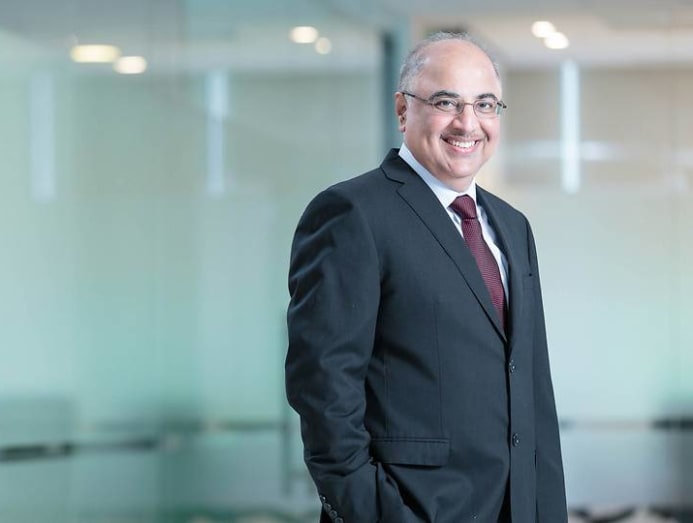
With nearly every aspect of life thrown off-kilter since the pandemic started, Manohar Khiatani, senior executive manager of CapitaLand Grouping, is non exaggerating when he said that COVID-19 the "crunch of our generation".
Since the novel coronavirus struck early this twelvemonth, it has affected more 20 million people worldwide. In Singapore, the number of confirmed cases has gone beyond the 55,000-mark.
Experts say the earth is heading towards one of its worst greatest economical crises since the Great Depression of the 1930s.
Wading through uncharted waters, big organisations and smaller enterprises alike are now faced with pressing questions: How to protect their lesser line while prioritising employees' rubber and health amongst a time of uncertainty?
And in the outcome of a second or third wave of infections, what can they practice to keep their heads higher up water?
While pandemic preparedness plans are not new, Dr Low Kiang Wei, medical director for International SOS, said COVID-19 has highlighted the need for organisations to have robust pandemic planning and strategies in place as a primal role of business organization resilience.
"Information technology has also raised duty of intendance responsibilities in these circumstances. In many countries, it is condign axiomatic that organisations will exist held legally responsible if they practice not protect their people well enough in the face of the pandemic," Dr Depression said.
The global medical and security hazard direction company, which counts Fortune Global 500 companies and multinational corporations as clients, takes over eleven,000 calls a day at its assistance centres.
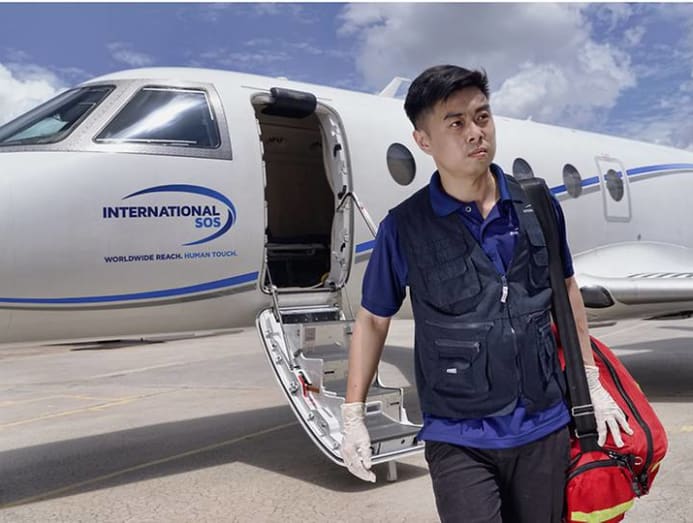
READ> Who is the Singaporean doctor helping businesses navigate the pandemic?
PREPARING FOR THE WORST-Example SCENARIO
A pandemic preparedness plan is a series of measures to minimise disruption to business and protect employees' health and safety while tackling specific challenges. For example, it may include engaging a pandemic coordinator, telecommuting, providing employees with admission to support also as safe return-to-work policies and processes.
In a contempo global survey conducted by International SOS, over 70 per cent of companies indicated that their master business organization regarding business continuity is further disruption from a potential second wave of infections.
The Return to Work survey, which was conducted from May 11 to 25 this year, analysed responses from over 1,000 professionals responsible for supporting the wellness, safety, security and wellbeing of employees.
"In many countries, it is condign evident that organisations will be held legally responsible if they practice non protect their people well enough in the face of the pandemic." – Dr Depression Kiang Wei
While there is a swell focus on measures that enable a render to piece of work, over a fifth (21 per cent) of the respondents said they do not have a pandemic plan and process in place.
Meanwhile, of the organisations who had a pre-existing pandemic plan in place, ii thirds (65 per cent) felt that their plans and processes were constructive in cushioning the impact of COVID-nineteen.
Dr Low said, "This shows that businesses and more than importantly, their employees, tin benefit from pandemic preparedness plans and be more resilient to cope with the longstanding furnishings of the pandemic."
HOW SINGAPORE COMPANIES PREPARED FOR AND RESPONDED TO COVID-xix
CapitaLand, which engaged International SOS as ane of its health and security partners, is among the organisations that had already geared up before the pandemic started.
It has in identify business concern continuity plans to enable it to respond to crunch situations and proceed operations with minimum disruptions during extraordinary times, said Khiatani, who is also appointed the Grouping's business concern continuity planning commander.
Plans include elements such as stockpiling of essential equipment, identifying critical concern functions, essential employees, split-team arrangements, as well as periodic crunch management simulation exercises to ensure a state of readiness amid staff.
Khiatani shared that when COVID-19 became an apparent threat earlier this year, the group ready up a special task forcefulness, led by two senior leaders, to monitor and determine on necessary responses across the grouping.
"Existence a leading real estate visitor with a wide global footprint, we recognised the importance of having proper business continuity plans given our feel with past crisis such as SARS and other threats. This mindset and preparedness served us well when COVID-19 struck and we were able to respond effectively to the speedily evolving situation," he said.
For example, CapitaLand's employees easily switched to telecommuting earlier this year.
"When we moved to telecommuting, CapitaLand's digital work culture that we have built over the years helped employees stay continued and seamlessly adapt to work from home," Khiatani said.
For at present, working from habitation remains the default pick for its not-essential staff in Singapore, in line with national guidelines, Khiatani said. For those who need to return to the office, there are also measures in place to ensure a rubber environs, such as split team arrangements, staggered work hours, temperature-taking, tracing apps, and deployment of safety officers, among others.
"Being a leading real estate company with a wide global footprint, nosotros recognised the importance of having proper business continuity plans given our experience with by crisis such as SARS and other threats." – Manohar Khiatani
CUSHIONING THE Impact WITH LESSONS LEARNT FROM PREVIOUS OUTBREAKS
Other businesses that CNA Luxury approached said lessons gleaned from previous outbreaks have shaped their response to the current crisis.
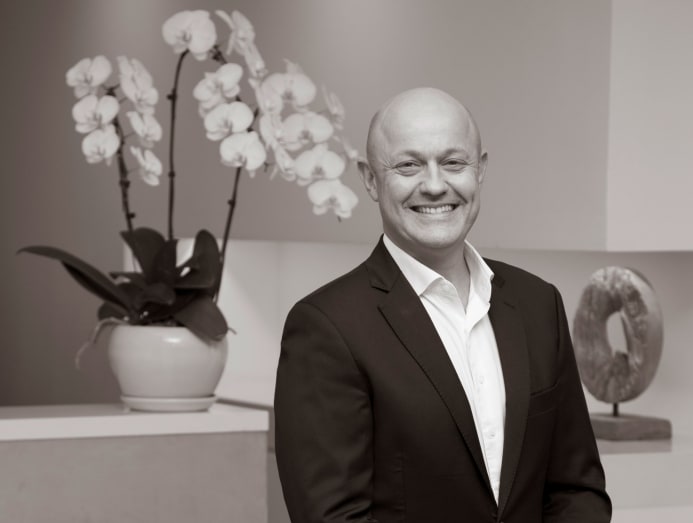
Similar many other businesses, the global crisis forced the COMO Group, which offers bespoke luxury travel experiences, to shut the bulk of its hotels and resorts effectually the world, in line with local authorities guidelines.
However, having substantial crisis management plans in place, a flexible approach and understanding of various government guidelines in the markets it operates in have helped buffer the impact of COVID-19, said Olivier Jolivet, CEO of COMO Group.
"[Having crisis management plans in place] helped mitigate the financial impact since nothing came to u.s. as a surprise and nosotros remained at-home and very organised," said Jolivet, adding that it is on runway to reopen its properties.
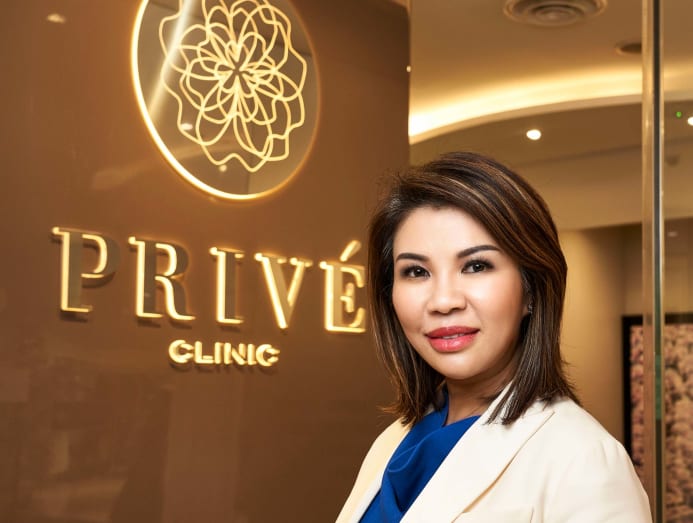
Dr Karen Soh, medical director of Prive Clinic, a medical aesthetics clinic, said while no one could accept anticipated COVID-19, the SARS outbreak in 2003 highlighted the importance of beingness prepared.
For example, the dispensary's ground staff are familiar with safety and sanitisation protocols while patients unable to get their aesthetic needs met due to travel restrictions have the pick of a 24-60 minutes hotline and online consultation service.
When the clinic temporarily halted operations during Singapore's circuit breaker menses, Prive Clinic launched a new east-commerce platform offering gratis commitment for its skincare products and supplements.
"Nosotros have e'er emphasised cognition and expertise of our staff, hence they were sent for virtual training and refresher courses to maintain some normalcy," Dr Soh said.
As the workforce continues to face uncertainty, Dr Low said mental well-being is at present more than of import than ever in business resilience, and advised companies to build a civilisation where employees experience that their well-existence is a key priority.
In the same International SOS' survey, mental wellness problems remained peak of listen for Singapore respondents, with one in five concerned about the bear upon of mental health issues on their business organization operations in the adjacent 12 months.
Khiatani said feelings of anxiety and uncertainty are natural during this unprecedented period, which is why good communication, staying connected and maintaining a sense of solidarity with staff are important.
CapitaLand does this through several ways, such as virtual staff communication sessions with the Group CEO and senior management, providing tips on the utilize of digital tools to support employees working from home and running online courses to help employees upgrade their skillsets.
The grouping also has an employee help plan, which helps employees who need fiscal help tide over a personal situation and provide professional person counselling support, Khiatani said.
Jolivet said employees are COMO Grouping's well-nigh important asset.
"We're making every effort to support them and their families wherever they are. In Bhutan, although the land volition probably remain closed till the end of the year, nosotros are keeping all employees on lath and let them work on sustainability initiatives in the interim," he said.
To minimise employee anxiety from fear or lack of data, Dr Depression brash organisations to provide staff with timely access to succinct intelligence on the evolving COVID-xix situation and health rubber recommendations.
They can also wait into programmes and leverage on digital tools to provide staff with access to mental health support, such as through International SOS's counselling support hotline, he said.
"Employers should also continually check in on employees to show appreciation, emphasise work-life boundaries, respect work schedules and educate employees on how to make their time spent at abode more productive," Dr Depression added.
"Employers should also continually bank check in on employees to show appreciation, emphasise piece of work-life boundaries, respect work schedules and educate employees on how to make their fourth dimension spent at home more productive." – Dr Low Kiang Wei
ADAPTING TO A NEW NORMAL
Fifty-fifty every bit the economic system reopens, organisations remain wary of the ongoing threat of COVID-xix.
Dr Low said businesses should exist prepared for any potential 2d or third peaks of infections, as seen in other locations mail service-lockdown.
"To ensure a safety return to work and essential business organisation travel in a sustainable manner, information technology is key for organisations to reflect on how their pandemic preparedness plans take stood up during the pandemic, uncover strengths and weaknesses, and update the plans accordingly based on lessons learnt. Their plans should have agility congenital-in to respond to what will continue to be a changing surroundings for many months to come," he said.
Dr Low said pandemic preparedness planning is also something that smaller businesses should undertake.
"Information technology's not an all-or-aught thing. A plan is improve than no program at all, even if it is not a very detailed 1," he said.
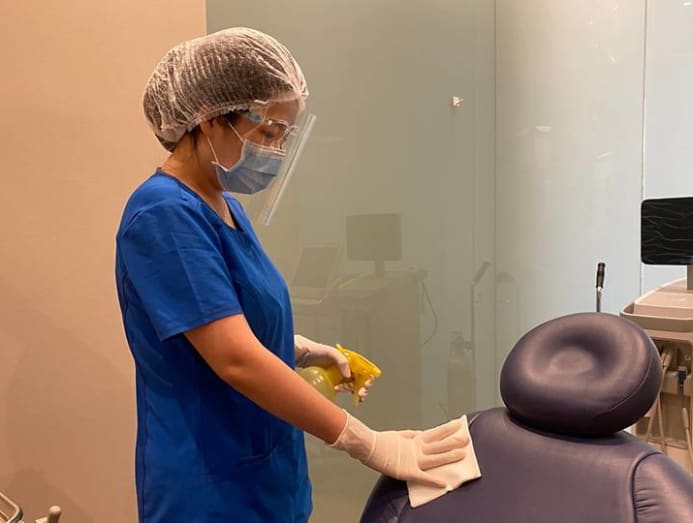
To protect their staff and clients in Singapore's Stage 2, companies accept implemented strict hygiene protocols, safety and contact-tracing measures.
Additionally, firms like CapitaLand leveraged on the grouping's digital platforms such every bit CapitaStar@Work and Capita3Eats, and harnessed tech innovations to support tenants in its backdrop.
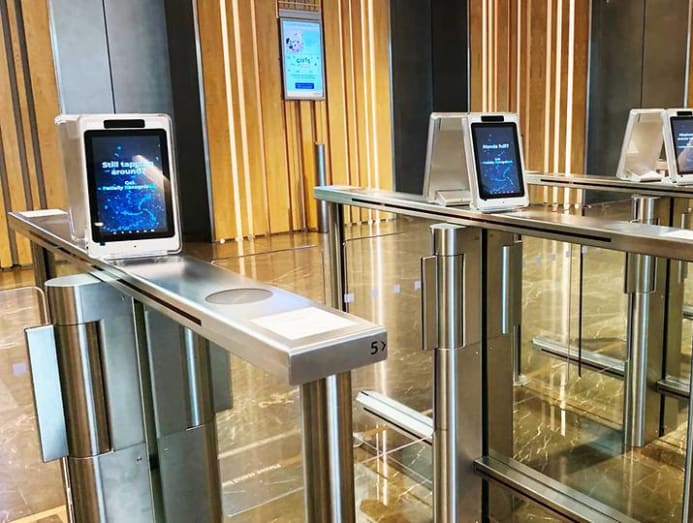
Khiatani said, "We take also been piloting and deploying diverse technologies, including contactless solutions, facial recognition and UV disinfecting devices in our buildings. Additional services take been extended to our tenants such as provision of flexible and temporary workspaces and bulk purchase for essential items and services related to COVID-19."
"We are confident that all the challenges still, CapitaLand will sally from COVID-19 even stronger than before," he added.
Looking forwards, Dr Soh said Prive Clinic will take reserves set aside to pay staff, overheads and rent should at that place exist a global downturn. At the aforementioned time, it is looking into staying relevant to clients and ensuring their skin'southward health needs are met amidst a pandemic.
Dr Soh said adopting digital technologies is a critical attribute for concern continuity. The team is also looking into personalised skincare and treatments to ensure longer-lasting results in the event of a 2nd quarantine menses.
"I've learnt that most companies need to urgently improve their agility, which is the ability to learn and to change course chop-chop," she said.
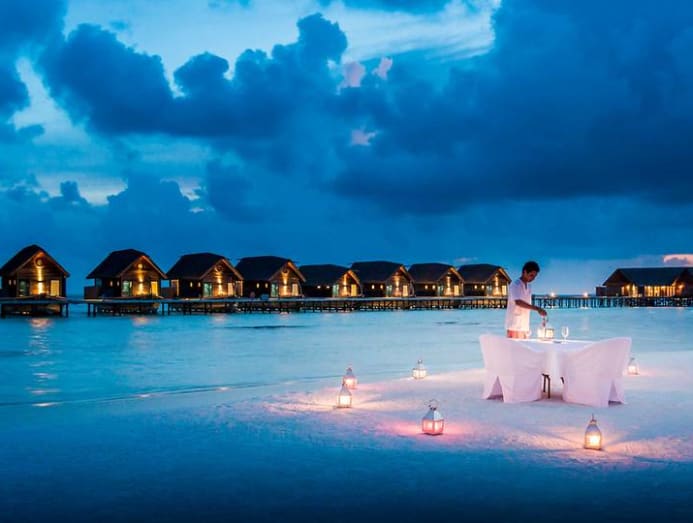
With its crunch management plans in place and model for modern travel, Jolivet believes that COMO will continue to be relevant in the years to come, even though COVID-19 has caused ripple furnishings in international travel.
"Guests are more interested to travel with their 'community' to share an experience together or to look for something that will enrich themselves through discovery, wellness and wellbeing. Brands that will inspire guests to travels will keep to be successful and I do believe COMO is well positioned to remain successful in the years to come," he said.
READ> Telemedicine and baking: How Dr Iroshini Chua is navigating these strange times
Source: https://cnalifestyle.channelnewsasia.com/experiences/business-continuity-plans-pandemic-247591
0 Response to "Not business as usual: What are companies doing to prepare for future pandemics?"
Post a Comment